This heightened demand places a greater need for amino acids, which are vital for sustaining cellular functions, supporting immune responses, and maintaining overall health
Pathogenesis and Negative Impact of Chronic Kidney Disease in Liver Transplant Recipients Chronic kidney disease (CKD) is a major comorbidity after liver transplantation, affecting up to 41.5% of recipients. CKD is defined by a reduction in glomerular filtration rate (GFR) to less than 60 ml/min/1.73 m for over three months or longer. It must be recognized that a small percentage of patients have CKD pre-transplant and meet the national UNOS criteria for simultaneous liver-kidney transplant
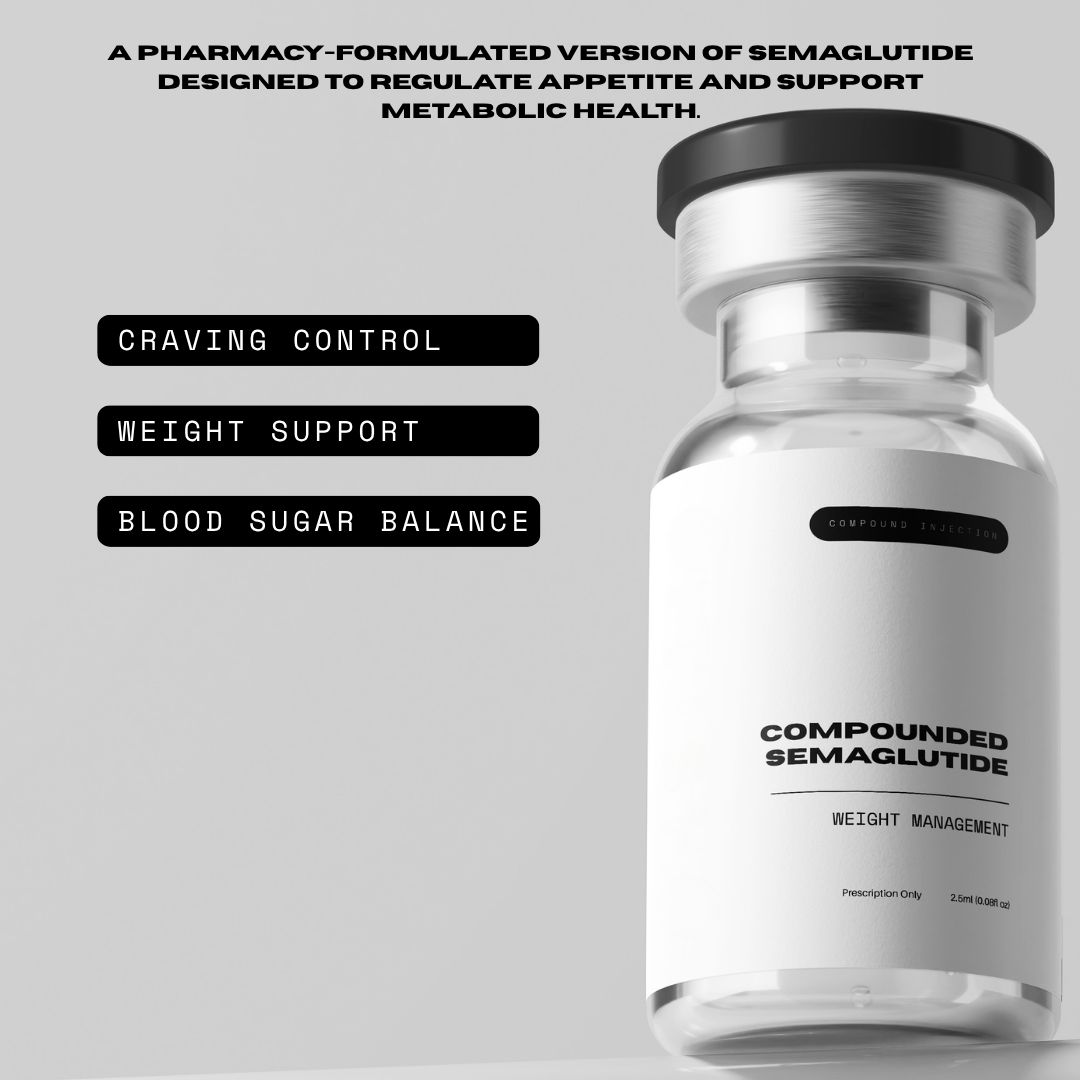
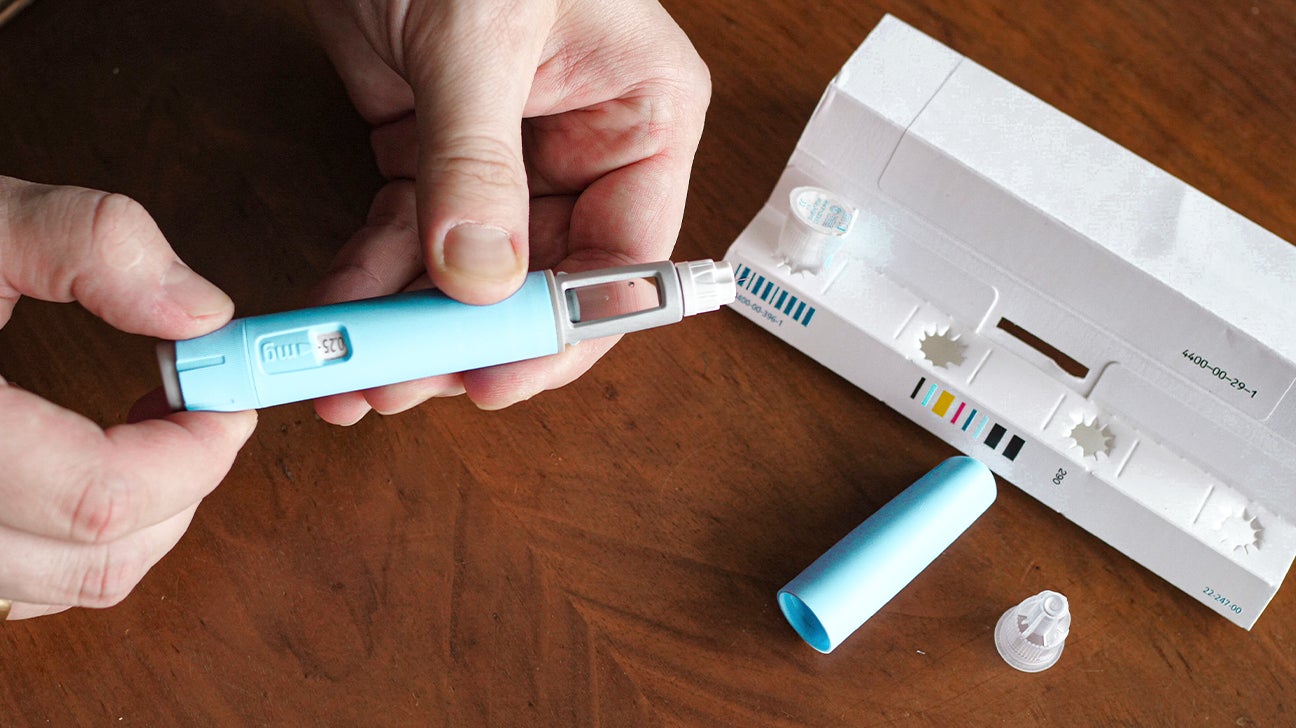
Goal: Type 2 diabetes management (A1C reduction) If you prefer once-weekly injections: Semaglutide (Ozempic), tirzepatide (Mounjaro), dulaglutide (Trulicity), or efpeglenatide (Eperzan) If you prefer daily injections: Liraglutide (Victoza) or lixisenatide (Adlyxin) If you prefer oral medication: Semaglutide (Rybelsus) If cost is the primary concern: Compounded semaglutide or compounded tirzepatide (if eligible under shortage provisions) Goal: Weight loss (obesity or overweight with comorbidities) If you want maximum weight loss: Retatrutide (Retara, triple agonist, 24% mean loss) or tirzepatide (Zepbound, dual agonist, 20% to 22% mean loss) If you want proven long-term safety data: Semaglutide (Wegovy, 15% to 17% mean loss, 5+ years post-approval data) If you prefer oral medication: Orforglipron (Orfoglip, 15% mean loss, oral once daily) If cost is the primary concern: Compounded semaglutide or compounded tirzepatide Goal: Both diabetes and weight loss If you have significant obesity (BMI over 35): Tirzepatide (Mounjaro for diabetes indication, Zepbound for obesity indication
doi:10.1017/S0033291703008213
As of June 2026, tesofensine is not approved by the FDA for any indication


.webp)